Download the full evidence (PDF)
AASTMT has a policy to reduce the impact of invasive alien species on its campuses in Egypt and so protect native biodiversity and habitat. It follows the IUCN definition of alien and invasive alien species and commits the Academy to prevent their introduction, detect them early, remove or contain them, and restore the ecosystem through revegetation with native and drought-adapted plants. The policy was put in place in 2025. The cases below show how it was applied in the academic year 2024-2025.
The policy that commits AASTMT to prevent the introduction and spread of alien species on its campuses, detect them early, remove or contain them, and restore the land with native and drought-adapted plants.
https://aast.edu/en/sdg/goals.php?unit_item=1215&page_id=121500062
A report on how AASTMT tracks species that arrive in Egypt from other seas and lands and keeps them from harming native nature on its campuses, ships and farms, in 2024-2025.
https://aast.edu/en/sdg/goals.php?unit_item=1215&page_id=121500065
AASTMT landscapes its campus green areas with drought-tolerant plants, watered by automated drip irrigation with solenoid valves, bubblers and IoT controllers. The vegetation of the Abu Qir campus includes coastal and Mediterranean species adapted to hot, dry summers, mild winters and the saline conditions near the sea.
AASTMT propagates the trees, shrubs and ground cover for its campuses in its own planting nurseries at Abu Qir, which supply the plant expansion works across the 62,000 m² of planted vegetation on the campus. Growing our own stock limits the plants, soil and pests brought in from outside suppliers, one of the main pathways for alien species. On 12 May 2025 the AASTMT President inspected the nurseries and the expansion works and met the nursery staff.
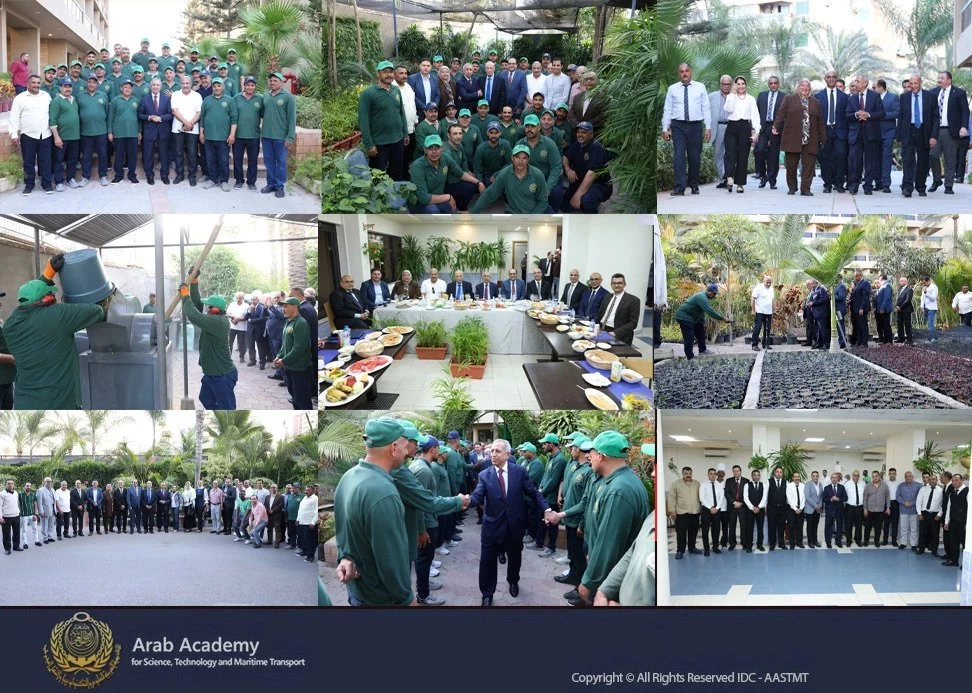
AASTMT President tour at AASTMT Campus Planting Nurseries
The AASTMT Aquaculture and Hydroponics Research Center has grown vegetables and fish in closed hydroponic and aquaponic systems for more than 12 years, using 90% less water than traditional farming and rainwater collected in ten roof tanks. Because the fish and plants are kept in closed, recirculating systems, they cannot escape into the wild, in line with the policy rule that alien organisms used in teaching and research are kept only in closed systems.
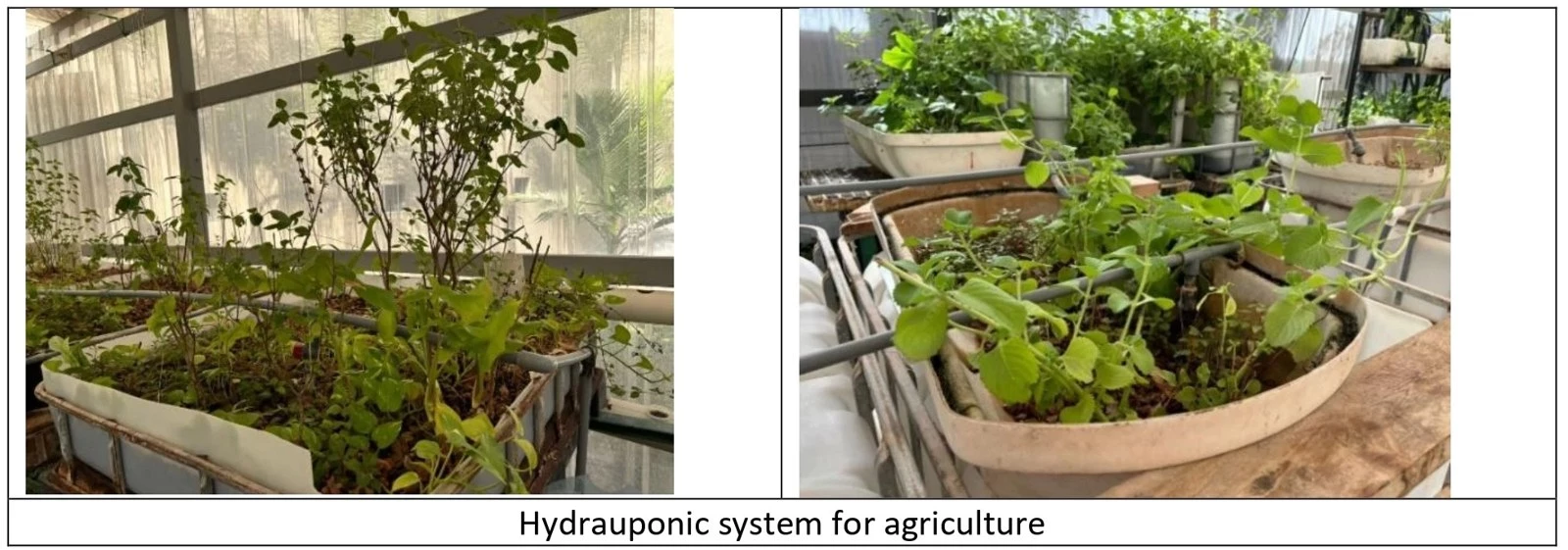
UI GreenMetric: Water conservation and sustainable agriculture at AASTMT
AASTMT is a partner in AquaVET, an Erasmus+ project with Alexandria University and partners in Nigeria, Italy and Croatia that is creating the first interdisciplinary MSc in Aquatic Animals Medicine and Ecosystem Health. The project responds to disease outbreaks in fish farms and hatcheries caused by pollution and the spread of pathogens. Its kick-off meeting was held at the AASTMT El Alamein campus from 13 to 15 July 2025. Training in fish health and biosecurity helps stop pathogens and alien organisms from spreading from farms to wild ecosystems.
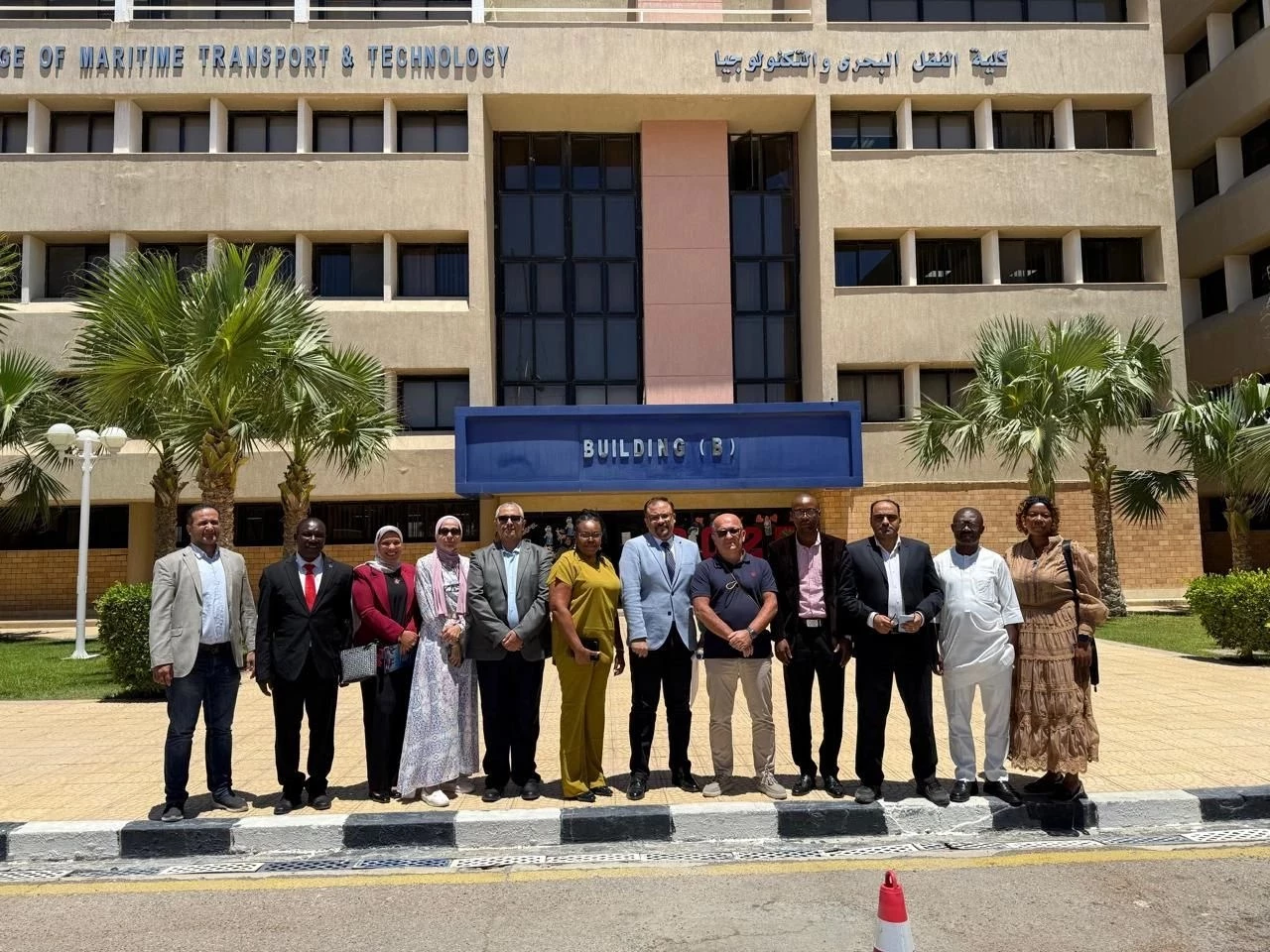
AquaVET Project Kickoff Meeting
Garden and food waste from the campus is composted on site, in an on-campus composter and by vermicomposting with red wiggler earthworms, instead of being dumped off campus.
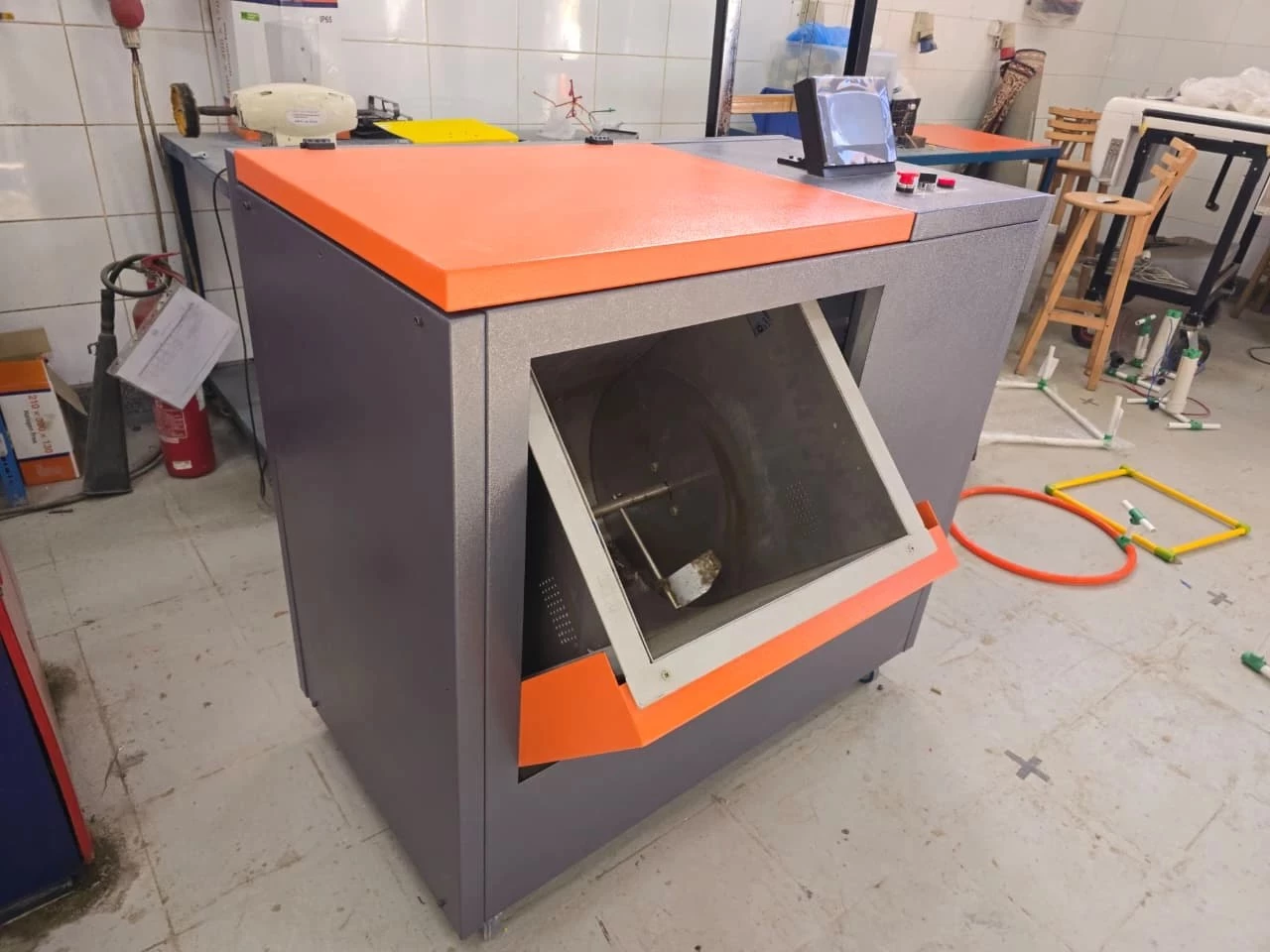
UI GreenMetric 3.8: Organic waste treatment
A graduation project of the College of Fisheries and Aquaculture Technology assessed the environmental and biological effects of the antifouling paints used on fishing vessels in Abu Qir Bay, next to our main campus, and developed an eco-friendly antifouling solution based on extract of water hyacinth, one of the world’s worst invasive aquatic plants. It was shown at the Bibliotheca Alexandrina on the International Day of Innovation and Creativity. Hull fouling is a pathway for marine alien species, and using an invasive plant as a raw material helps reduce it.
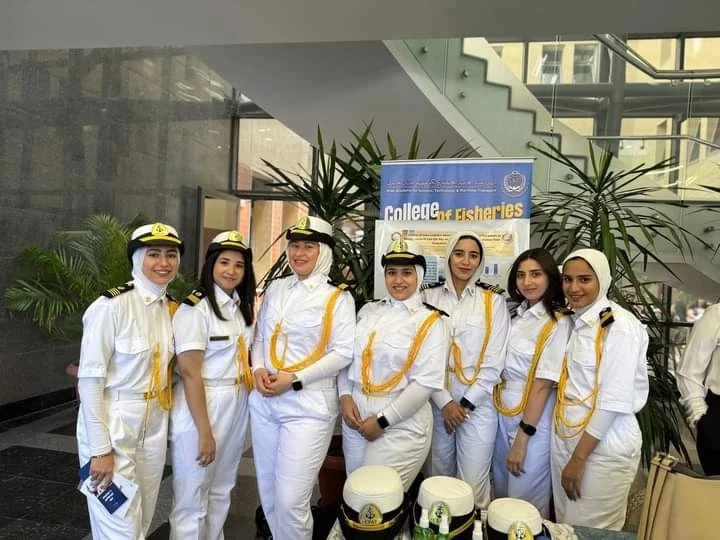
Graduation project: antifouling paints in Abu Qir Bay and a water hyacinth solution

DESCRIPTION
The AASTMT Environmental Policy for Cluster 13, 14, and 15 SDGs focuses on fostering sustainability and environmental stewardship in alignment with the United Nations Sustainable Development Goals (SDGs). It emphasizes the institution's commitment to Climate Action (SDG 13), Life Below Water (SDG 14), and Life on Land (SDG 15). The policy serves as a framework for integrating environmental sustainability into education, research, campus operations, and community engagement.
This policy outlines a comprehensive approach to addressing global challenges, including mitigating climate change, conserving marine ecosystems, and preserving terrestrial biodiversity. By prioritizing sustainability in operations, enhancing education, driving innovation, and fostering collaborative partnerships, AASTMT aims to lead by example in promoting environmental resilience and sustainable practices within the academic and broader community.
The policy reflects AASTMT's role as a catalyst for positive environmental change, ensuring that the institution’s activities contribute to a greener, more sustainable future. It aligns with the global call for urgent action to combat climate change, protect marine and terrestrial ecosystems, and build a sustainable world for current and future generations.
Vision
To establish AASTMT as a leading institution in integrating environmental sustainability principles into education, research, and community initiatives, addressing global challenges related to climate action, marine ecosystems, and terrestrial biodiversity.
Mission
AASTMT is committed to fostering environmental stewardship through innovative solutions, collaborative partnerships, and sustainable practices that align with the Sustainable Development Goals (SDGs) 13, 14, and 15.
Introduction
The Arab Academy for Science, Technology, and Maritime Transport (AASTMT) recognizes its pivotal role in addressing the pressing environmental challenges of our time. Guided by the United Nations Sustainable Development Goals (SDGs), this policy aligns AASTMT’s mission with SDG 13 (Climate Action), SDG 14 (Life Below Water), and SDG 15 (Life on Land), forming a cohesive strategy to promote environmental sustainability.
Global environmental challenges, such as climate change, marine pollution, and biodiversity loss, threaten ecosystems and human well-being. Educational institutions like AASTMT bear a responsibility to lead by example, embedding sustainability into academic programs, operational practices, and community engagement.
This Environmental Policy outlines a framework for action that integrates climate resilience, marine conservation, and terrestrial ecosystem preservation. By fostering innovation, collaboration, and awareness, AASTMT aims to empower students, faculty, and stakeholders to drive meaningful change, ensuring a sustainable and resilient future.
Through this policy, AASTMT commits to reducing its environmental footprint, enhancing sustainable practices, and actively contributing to the global effort to protect the planet’s natural resources. Together, we aim to inspire a new generation of environmental stewards and contribute to a sustainable legacy for future generations.
Policy Statement
The Arab Academy for Science, Technology, and Maritime Transport (AASTMT) is committed to advancing environmental sustainability as a core institutional priority. Aligned with the Sustainable Development Goals (SDGs) 13 (Climate Action), 14 (Life Below Water), and 15 (Life on Land), this policy provides a comprehensive framework for integrating environmental stewardship into education, research, operations, and community engagement.
AASTMT acknowledges its responsibility to:
Risk Assessment: Implement risk assessments for alien species to prioritize management efforts based on their potential impact on local biodiversity.
Regular Surveys: Conduct regular surveys using GIS mapping technologies to track and monitor the distribution of alien species on campus.
Through education, innovation, and collaboration, AASTMT seeks to inspire sustainable practices among students, faculty, and stakeholders while contributing to global and local efforts to ensure a sustainable future for all. This policy represents the Academy’s unwavering commitment to environmental excellence and sustainable development.
Policy Objectives
Policy Commitments
Procedures and Forms:
Procedures
To ensure the effective execution of the AASTMT Environmental Policy aligned with SDGs 13 (Climate Action), 14 (Life Below Water), and 15 (Life on Land), the following step-by-step procedures will guide implementation, monitoring, and continuous improvement:
1. Governance and Oversight
2. Awareness and Capacity Building
Integrate Alien Species Education: Integrate alien species education into environmental courses and campus orientation programs.
3. Operational Changes
4. Research and Innovation
5. Collaboration and Partnerships
6. Monitoring and Evaluation
7. Continuous Improvement
By following these procedures, AASTMT ensures a structured and results-driven approach to fulfilling its commitment to environmental sustainability and contributing meaningfully to the global achievement of SDGs 13, 14, and 15.
Forms:
To achieve the objectives of the AASTMT Environmental Policy for SDGs 13 (Climate Action), 14 (Life Below Water), and 15 (Life on Land), the following action plans are proposed:
1. Climate Action (SDG 13)
Objective: Reduce carbon emissions, enhance climate resilience, and promote climate education.
Public Awareness Campaigns: Launch campus-wide campaigns to raise awareness about the importance of preventing the spread of alien species.
2. Life Below Water (SDG 14)
Objective: Conserve marine biodiversity and reduce marine pollution.
3. Life on Land (SDG 15)
Objective: Promote biodiversity conservation and combat land degradation.
By implementing these action plans, AASTMT aims to be a leader in sustainability and contribute to a healthier planet for current and future generations.
Policy title | AASTMT Environmental Sustainability Policy |
Date Created: | January 2019 |
Approving Body: | SDGs Workforce Committee |
Version: | 5 |
Last Review Date | 2024 |
Next Review Date: | 2026 |
Policy Owner: | Dean of Scientific Research for Maritime Affairs Head of Aquaculture Department, College of Fisheries & Aquaculture Technology. The Sea Training Institute |
Lead Contact: | Prof. Dr. Kareem Tonbol Dr. Haiam Aboul-Ela Eng. Mohamed Elbawab |
Approval Signature | Dean of Scientific Research and Innovation |
Environmental Sustainability Policy on AASTMT web page.
This policy describes monitoring and an August 2024 policy update for IUCN/conservation policy; references annual monitoring and reporting and links to projects (TouMaLi, MEPC participation) that support implementation.